
The Story of Color Code Foundation: Turning Waste into a Movement
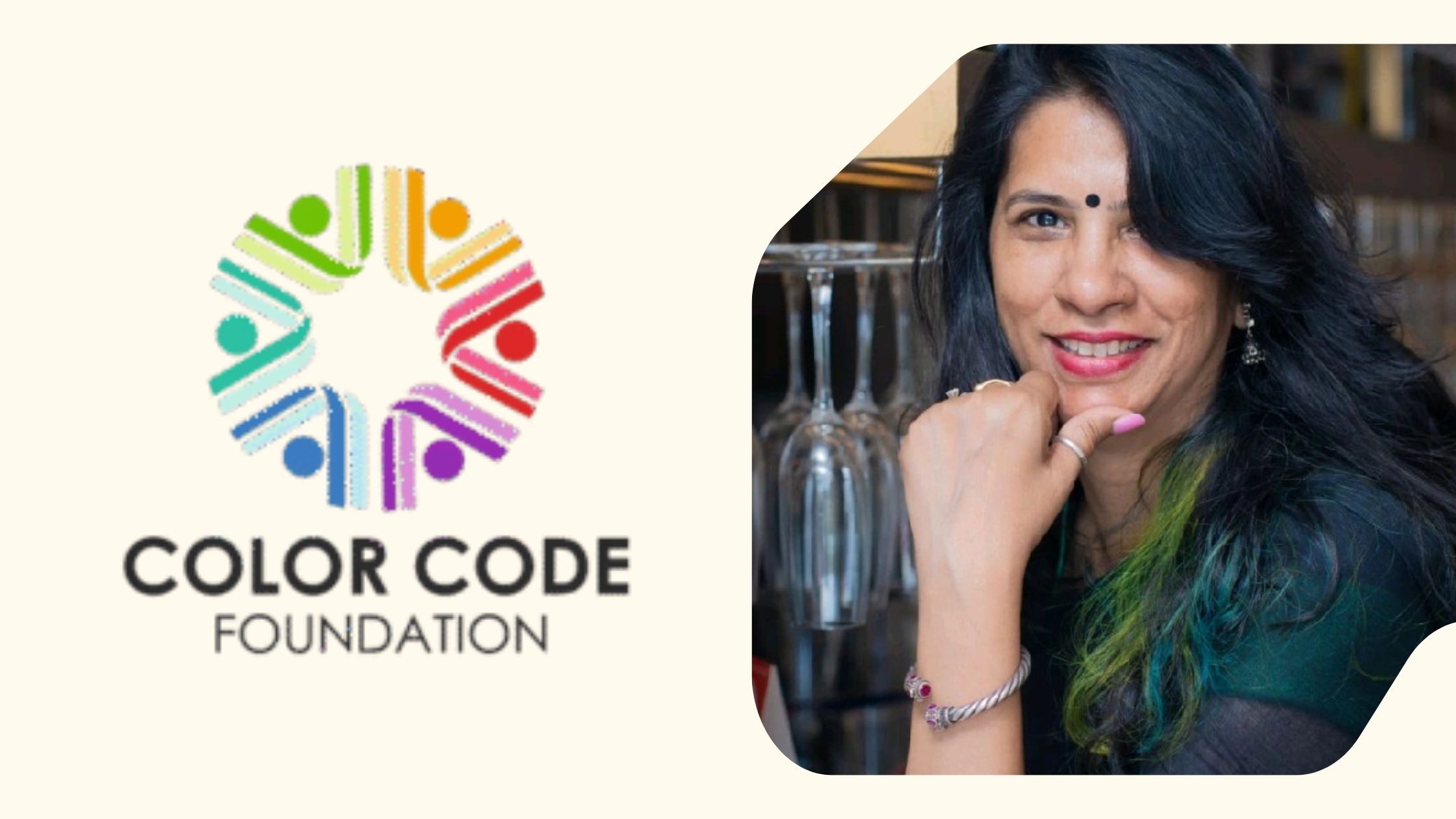
In an era when sustainability is often reduced to corporate buzzwords and policy debates, one grassroots organisation in Gurugram has been quietly building a people-powered environmental revolution, starting in classrooms and kitchen waste.
Founded by Swati Singh, Color Code Foundation has evolved from a small educational initiative into a dynamic force for environmental awareness, sustainable living, and community-driven waste management.
What began as an effort to teach underprivileged children has today transformed into a structured movement influencing government officials, corporates, students, and civic bodies.
This is not just the story of an NGO.
It is the story of how consistent grassroots action can create measurable environmental change.
The Early Years: Education as the Seed of Change
Color Code Foundation’s journey began with a simple belief that awareness begins with education.
In its initial phase, the foundation worked closely with underprivileged children, using creativity and learning as tools to spark environmental consciousness. What started in classrooms gradually spread to communities, where the focus shifted to reducing single-use plastic and promoting responsible waste practices.
Community campaigns like the Swachhta Marathon brought residents together to discuss cleanliness, waste segregation, and collective responsibility. These initiatives helped transform sustainability from an abstract concept into a shared civic mission.
The Bio-Enzyme Revolution
The year 2020 marked a turning point.
Swati Singh began experimenting with bio-enzymes at home — eco-friendly cleaning and waste-management solutions created by fermenting fruit and vegetable peels. What started as a household practice soon expanded into structured awareness and training programs.
Over time:
- More than 70 varieties of bio-enzymes were developed and demonstrated.
- Nearly 600 kilograms of fruit and vegetable peels were diverted from waste streams.
- Communities were trained to convert kitchen waste into sustainable alternatives.
Bio-enzymes became more than a product. They became a practical solution accessible to households, schools, institutions, and offices.
Through workshops and hands-on sessions, the foundation translated waste management theory into practice.
Expanding Impact: From Communities to Institutions
By 2025, the foundation’s work had reached multiple platforms.
Bio-enzyme exhibitions were organised during public cleanliness initiatives, such as the Swachhta Kranti, by the Municipal Corporation of Gurugram.
Structured sustainability workshops were conducted for:
- Government officials at the Narcotics Control Bureau
- Corporate employees at L’Oréal
- Students at institutions including Jawahar Navodaya Vidyalaya, Deshbandhu College, and Ryan International School
The foundation also participated in collaborative exhibitions and discussions focused on river rejuvenation, including initiatives centred on cleaning the Yamuna River in partnership with academic institutions in Delhi.
These engagements signalled an important shift; grassroots innovation was now influencing structured institutional dialogue.
Decor Bank: Redefining Celebration Sustainability
Beyond waste fermentation and education, Color Code Foundation addressed another overlooked environmental challenge — decorative waste.
Through its unique initiative, Decor Bank, the foundation promoted the reuse of celebration décor. By encouraging communities to share and reuse event decorations, the initiative reduced reliance on single-use, plastic-based decorations.
Decor Bank reinforced a powerful idea:
Sustainability does not need to be expensive or complicated. It needs to be practical and community-driven.
Recognition and Leadership
In 2024, Swati Singh’s sustained impact was formally acknowledged.
She was appointed Brand Ambassador for the Swachh Bharat Mission by the Municipal Corporation of Gurugram, a recognition of her consistent grassroots contributions.
She also took on a national leadership role as National Vice President of the WICCI Bio Enzyme Council, enabling the foundation to scale its influence beyond local initiatives and participate in policy-linked sustainability conversations.
These roles elevated Color Code Foundation from a local movement to a nationally connected environmental voice.
A Living Model of Sustainable Change
From classrooms to corporations, from kitchen peels to policy platforms, Color Code Foundation demonstrates what sustained civic action can achieve.
Its journey reflects three core pillars:
- Awareness through education
- Practical solutions through bio-enzymes
- Community participation is the driving force
In a time when environmental challenges grow more urgent, Color Code Foundation stands as a living example of how consistent effort, innovation, and community collaboration can create long-term impact.
This is not just about waste management.
It is about changing habits, influencing systems, and building a culture of sustainability.
And the movement continues to grow.
Leave a Comment