
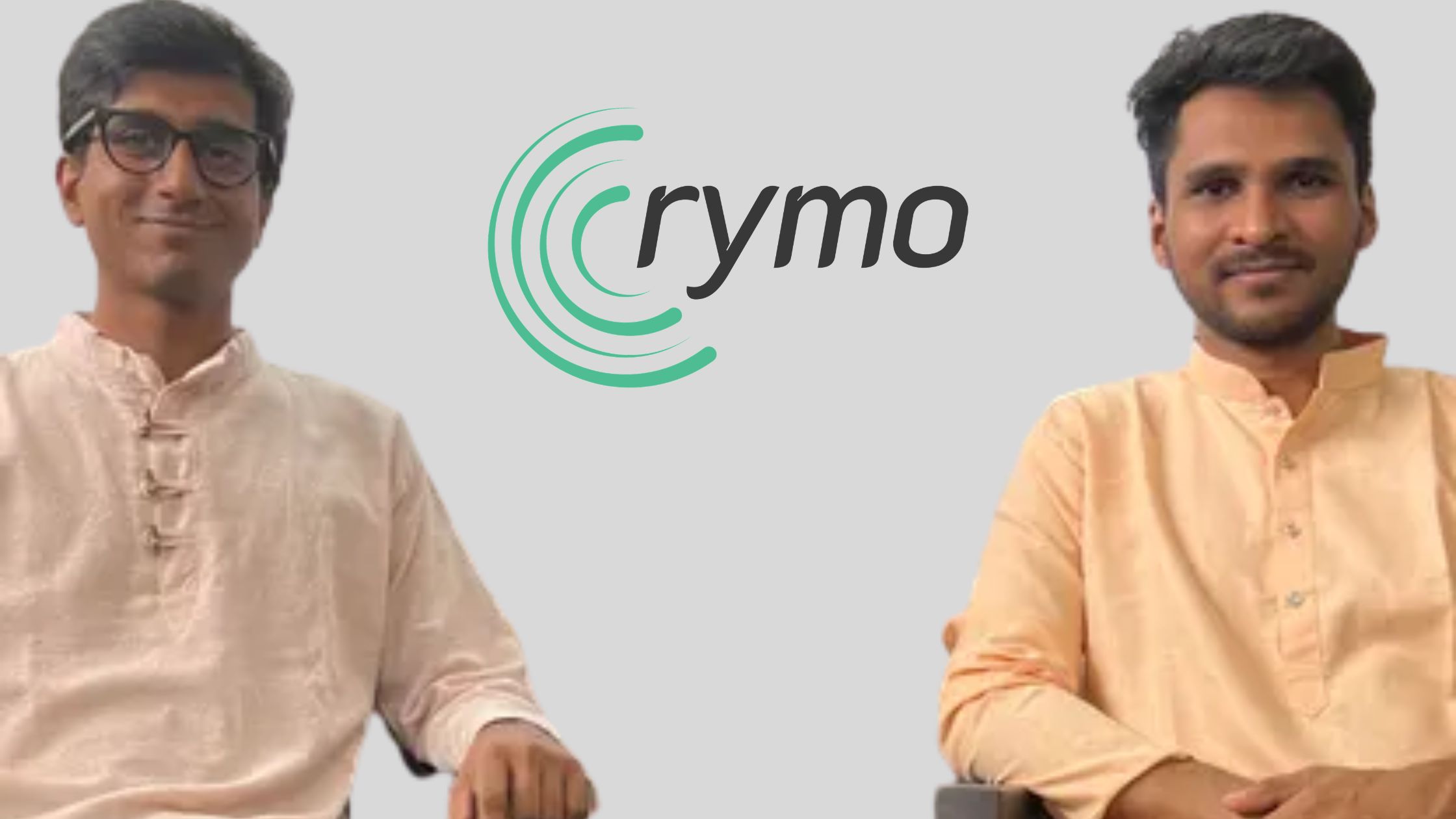
India’s healthcare innovation space is steadily moving beyond diagnostics and telemedicine and into deep-tech rehabilitation solutions. In a significant development, Rymo Technologies, a Mumbai-based neuro-rehabilitation startup, has raised ₹10 crore in a seed funding round led by IAN Group, along with participation from angel investors.
The funding comes at a time when the demand for rehabilitation services is rising globally , but access to advanced therapy solutions still remains limited, especially outside major urban hospitals.
Solving a Critical Gap in Neuro-Rehabilitation
Founded in 2020 by Chirag Shah and Abhishek Rai, Rymo Technologies is building robotics and AI-powered rehabilitation systems designed to help patients recover from strokes, spinal injuries, and neurological disorders.
The core problem the startup is tackling is simple but serious.
Advanced rehabilitation systems today are often:
- Expensive
- Limited to top-tier hospitals
- Dependent on highly trained therapists
This leaves a large number of patients — especially in Tier 2 and Tier 3 cities — without access to effective recovery solutions.
Rymo is trying to change that by building affordable, technology-driven rehabilitation systems that can be deployed across a wider network of hospitals and clinics.
Technology That Goes Beyond Traditional Therapy
At the heart of Rymo’s offering is its flagship system, designed to combine:
- Robotics for assisted movement
- Artificial Intelligence for therapy personalization
- Virtual Reality for immersive rehabilitation
- Data-driven tracking of patient progress
The company has developed a multi-joint robotic system supported by proprietary algorithms trained on patient data, enabling more structured and measurable recovery outcomes.
This is not just about automation , it’s about improving recovery quality and consistency across different healthcare setups.
Early Traction Across Hospitals
Rymo’s solutions are already seeing adoption across India’s healthcare ecosystem.
According to company data:
- 450+ devices installed
- 350+ clinical partners, including institutions like AIIMS, Apollo Hospitals, and Manipal Hospitals
- 7,500+ patients treated
- 15,000+ therapy hours delivered
The company also claims that its systems have shown up to 25% faster recovery outcomes in certain cases.
That kind of measurable impact is likely one of the key reasons investors are backing the startup at an early stage.
Where the ₹10 Crore Will Be Used
The fresh capital will be used to:
- Accelerate product innovation
- Expand manufacturing capabilities
- Strengthen presence across India
- Enter international markets like ASEAN and the Middle East
This signals that Rymo is not just building for India , but positioning itself as a global player in the neuro-rehabilitation space.
A Growing Global Opportunity
The timing of this funding also aligns with a larger healthcare trend.
The global neuro-rehabilitation market is estimated to be worth over $2 billion and growing steadily, driven by rising cases of stroke, aging populations, and increasing demand for recovery-focused care.
However, infrastructure and affordability remain key challenges — especially in emerging markets.
Startups like Rymo are stepping in to bridge this gap by combining hardware innovation with AI-driven therapy, making advanced rehabilitation more scalable.
The Bigger Picture
Healthcare in India is gradually shifting from reactive treatment to long-term recovery and quality of life.
And that shift is creating space for companies like Rymo.
If the startup can scale its technology while keeping costs accessible , it could play a meaningful role in redefining how rehabilitation is delivered — not just in India, but globally.
Disclaimer
This article is based on publicly available media reports and company disclosures. Kalpway does not independently verify financial or operational claims mentioned in third-party sources. The information provided is for general informational purposes only and should not be considered medical or financial advice.